
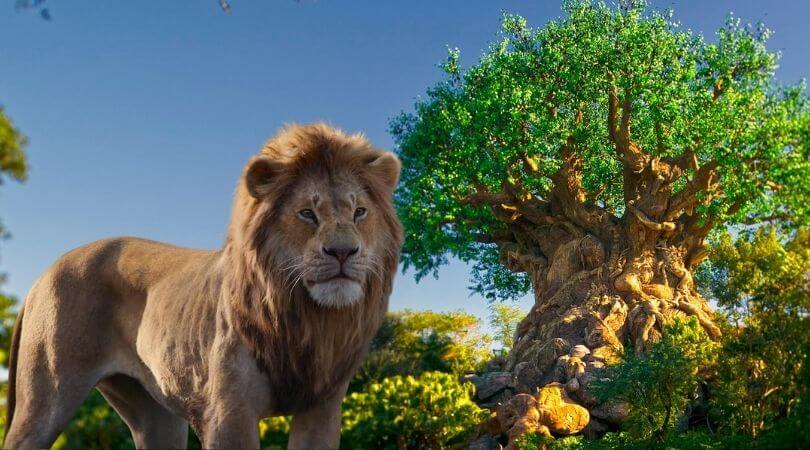
The lion, often referred to as the “king of the jungle,” is one of the most iconic and powerful animals in the natural world. With its impressive mane, commanding roar, and social behavior, the lion holds a unique place in both the animal kingdom and human culture. In this exploration, we will delve into the lion’s characteristics, habitat, social structure, hunting strategies, and conservation status.
Physical Characteristics
Lions are distinguished by their muscular build and striking appearance. Males typically weigh between 330 to 550 pounds, while females are smaller, ranging from 265 to 400 pounds. The most notable feature of male lions is their mane, which varies in color from light tawny to dark black. This mane not only serves as a protective barrier during fights but also signifies dominance and health. A darker, fuller mane often indicates a stronger, more virile male.
Their coat is usually a golden-yellow hue, which helps them blend seamlessly into the grasslands and savannas where they reside. Lions possess sharp retractable claws and powerful jaws filled with sharp teeth designed for grasping and tearing flesh. These adaptations make them formidable predators.
Habitat and Distribution
Lions are primarily found in sub-Saharan Africa, with a small population of Asiatic lions residing in the Gir Forest of India. They prefer open and semi-open habitats such as grasslands, savannas, and scrub forests, which provide ample opportunities for hunting and shelter. Historically, lions roamed across Europe, the Middle East, and parts of Asia, but due to habitat loss and hunting, their range has drastically diminished.
The lion’s habitat is crucial for its survival; it requires sufficient prey to thrive. As apex predators, lions play an essential role in maintaining the balance of their ecosystems by controlling herbivore populations.
Social Structure
Unlike most big cats that are solitary, lions are known for their unique social structure. They live in groups called prides, which typically consist of several related females, their cubs, and a few dominant males. A pride can range from a small family unit of three to more than twenty individuals.
The social dynamics within a pride are fascinating. Female lions, who usually remain in the pride where they were born, work cooperatively to hunt and care for the young. Their strong bonds allow them to defend their territory and raise cubs more effectively. Males, on the other hand, are more transient; they often take over prides by displacing resident males and mating with the females, ensuring their lineage continues.
Hunting and Diet
Lions are carnivorous predators with a diet that primarily consists of large herbivores such as zebras, wildebeests, and buffalo. Their hunting strategy often involves teamwork; females typically do most of the hunting and coordinate their efforts to ambush prey. They rely on their strength and speed to close the distance, often utilizing the cover of tall grass to remain hidden.
Hunting is usually more successful at night or during the cooler hours of the day when their prey is less vigilant. After a successful hunt, the pride will share the spoils, with dominant males eating first, followed by females and cubs. This social eating reinforces the bonds within the pride and ensures that all members are well-fed.
Conservation Status
Despite their majesty, lions face significant threats that have led to a dramatic decline in their population. According to the International Union for Conservation of Nature (IUCN), lions are classified as vulnerable. Factors such as habitat loss, human-wildlife conflict, and poaching have contributed to their dwindling numbers. In some regions, local communities perceive lions as threats to livestock, leading to retaliatory killings.
Conservation efforts are essential to protect these magnificent creatures. Initiatives include establishing protected areas, promoting community-based conservation programs, and enhancing awareness about the ecological importance of lions. Safeguarding their habitats and ensuring sustainable coexistence with local communities is vital for the future of lion populations.
Cultural Significance
Lions have been revered throughout history and across cultures. In ancient Egypt, they were associated with the goddess Sekhmet, symbolizing strength and protection. In heraldry, lions represent courage and nobility, often featured on coats of arms and flags. Today, they continue to be powerful symbols in literature, art, and media, embodying bravery and leadership.
The lion’s presence in various cultures underscores its importance not only in the animal kingdom but also in human imagination and heritage. By understanding and respecting these magnificent animals, we can work towards ensuring that future generations will also be able to appreciate the splendor of the lion.
 Pet Lovers News