
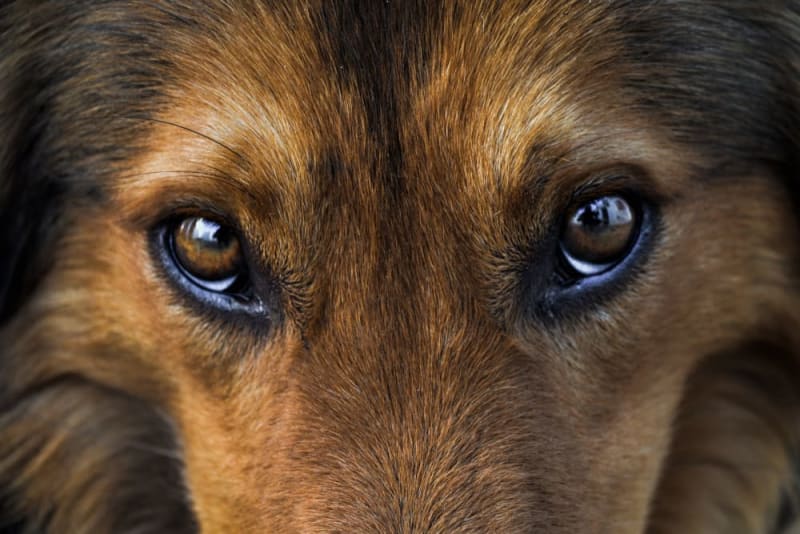
The eyes are often described as the windows to the soul, and this sentiment holds true for our canine companions as well. A dog’s eyes not only serve the essential function of vision but also offer insights into their emotions and overall health. This article explores the anatomy of a dog’s eyes, how they see the world, common eye conditions, and tips for maintaining their ocular health.
Anatomy of a Dog’s Eye
A dog’s eye is a fascinating and complex organ, consisting of several key parts:
- Cornea: This clear, dome-shaped surface covers the front of the eye and plays a crucial role in focusing light. The cornea is responsible for about 75% of the eye’s total focusing power.
- Lens: Located behind the cornea, the lens adjusts its shape to help focus light onto the retina. This adaptability allows dogs to see clearly at different distances.
- Retina: The retina is a light-sensitive layer at the back of the eye. It contains photoreceptor cells (rods and cones) that convert light into neural signals. Rods are more prevalent in dogs, allowing them to see well in low-light conditions, while cones are responsible for color vision.
- Pupil: The pupil, the black circle in the center of the eye, adjusts in size to control the amount of light entering. In bright light, it constricts to protect the retina, while it dilates in darkness to enhance vision.
- Tapetum Lucidum: This unique layer of cells sits behind the retina and reflects light back through it, enhancing vision in low-light situations. It’s what gives a dog’s eyes that characteristic glow in the dark.
- Conjunctiva: A thin, transparent membrane covers the inner eyelids and the outer surface of the eyeball, providing lubrication and protection against debris.
How Dogs See the World
Dogs experience the world quite differently than humans do. While humans have three types of cone cells that allow us to see a broad spectrum of colors, dogs have only two types. This means their color vision is limited; they primarily see shades of blue and yellow but have difficulty distinguishing between red and green.
Interestingly, dogs excel in low-light conditions, thanks to their higher concentration of rod cells and the presence of the tapetum lucidum. This adaptation allows them to be more active during dawn and dusk, which aligns with their ancestral hunting habits.
In addition to their unique visual capabilities, dogs have a wider field of vision than humans. Depending on the breed, they can see up to 250 degrees around them, compared to the human field of about 180 degrees. This ability helps them be more aware of their surroundings.
Common Eye Conditions in Dogs
Despite their remarkable visual systems, dogs are prone to various eye conditions that can affect their health and well-being:
- Cataracts: This condition involves the clouding of the lens, leading to impaired vision. While cataracts can be congenital, they often develop with age or due to diabetes.
- Glaucoma: Increased pressure within the eye can lead to glaucoma, which may cause pain and vision loss. Regular veterinary check-ups can help catch this condition early.
- Conjunctivitis: Also known as pink eye, this inflammation of the conjunctiva can be caused by allergies, infections, or irritants. Symptoms include redness, swelling, and discharge.
- Entropion: This genetic condition occurs when the eyelids roll inward, causing the eyelashes to rub against the cornea. It can lead to discomfort and potential corneal damage.
- Corneal Ulcers: Scratches or injuries to the cornea can develop into ulcers, resulting in pain and possible vision loss if not treated promptly.
Maintaining Your Dog’s Eye Health
Caring for your dog’s eyes is essential for ensuring they maintain optimal vision. Here are some strategies to promote eye health:
- Regular Check-ups: Annual veterinary examinations should include an eye check. Early detection of issues can prevent serious complications.
- Watch for Signs: Be vigilant for any changes in your dog’s eyes or vision. Symptoms such as redness, excessive tearing, squinting, or changes in behavior may indicate an underlying problem.
- Cleanliness: Gently wipe away any discharge from your dog’s eyes with a soft, damp cloth. Ensure your hands are clean to avoid introducing bacteria.
- Protective Gear: When engaging in outdoor activities, consider protective eyewear for your dog, especially in sunny conditions or during high-speed activities to prevent injuries.
- Balanced Diet: Nutrition plays a vital role in eye health. Foods rich in antioxidants, such as vitamins A, C, and E, support good vision. Consult your veterinarian for dietary recommendations.
Understanding Canine Emotions Through Their Eyes
Your dog’s eyes can also convey a range of emotions. Soft, relaxed eyes often indicate calmness and affection, while dilated pupils may signal excitement or anxiety. Learning to read these cues can enhance your bond with your furry friend.
By understanding the structure and function of your dog’s eyes, along with the importance of regular care, you can help ensure they enjoy a lifetime of healthy vision. This attention not only promotes their physical well-being but also strengthens the bond you share with your canine companion.
 Pet Lovers News