
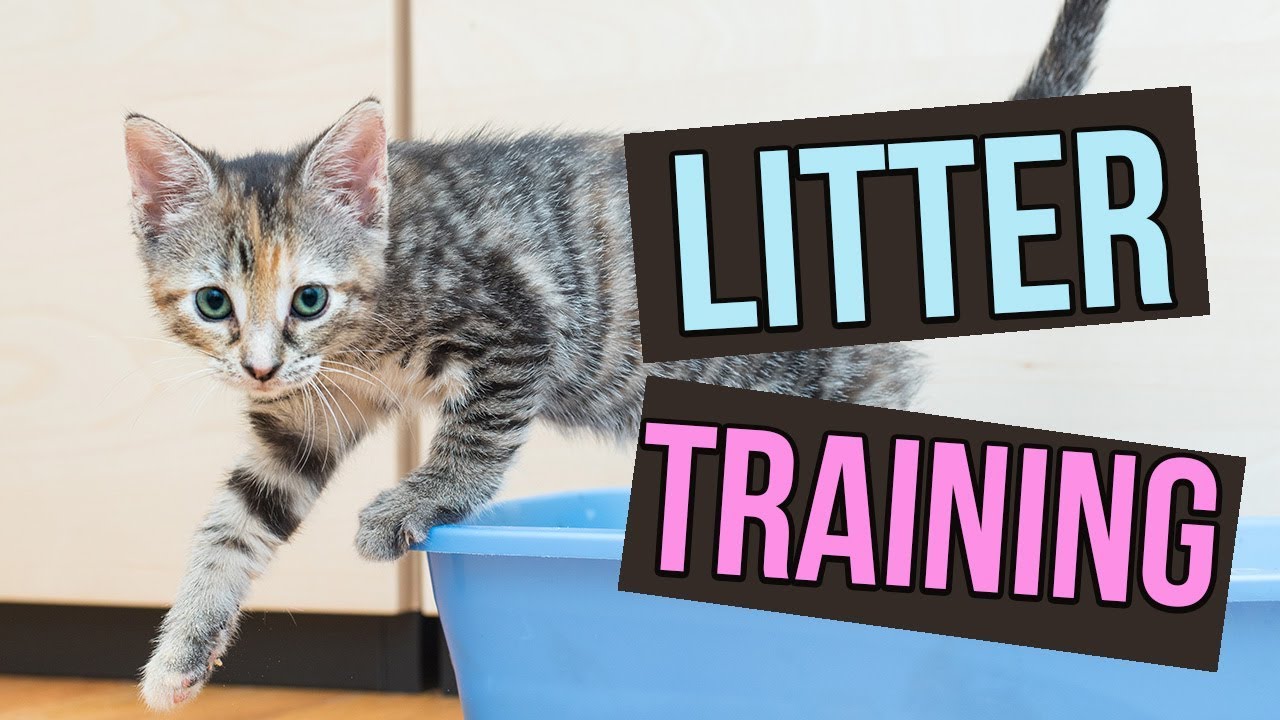
Litter training your cat is one of the most essential tasks for any new cat owner. Unlike dogs, cats have a natural instinct to bury their waste, making them generally easier to train. However, setting up a successful litter training routine requires attention to detail and patience. This guide provides comprehensive steps to help you ensure your feline friend uses the litter box effectively.
1. Choose the Right Litter Box
The first step in litter training is selecting an appropriate litter box. There are several types available, including covered and uncovered boxes. Uncovered boxes tend to be favored by most cats, as they provide easy access and a clear view of their surroundings. However, some cats prefer the privacy of a covered box. Consider your cat’s personality and preferences when making your choice.
Make sure the box is large enough for your cat to comfortably enter, turn around, and squat. A good rule of thumb is to use a box that is at least one and a half times the length of your cat. If you have multiple cats, provide one litter box per cat, plus one extra, to minimize territorial disputes.
2. Select the Right Litter
The type of litter you choose can significantly impact your cat’s willingness to use the box. There are various options available, including clay, clumping, crystal, and natural litters. Many cats prefer unscented, clumping litter, as it mimics the texture of the soil and allows for easy cleanup. Avoid heavily scented litters, as they may deter your cat from using the box.
If you are transitioning from one type of litter to another, do so gradually. Mix the old litter with the new litter over a week or so, allowing your cat to adjust to the change.
3. Find the Right Location
Placement of the litter box is critical for successful training. Choose a quiet, low-traffic area where your cat can feel safe while using the box. Avoid placing the litter box near their food and water dishes, as cats prefer a clear distinction between eating and bathroom areas.
Additionally, keep the box away from loud noises or potential disturbances, such as washing machines or vacuum cleaners. If your cat feels stressed or uncomfortable about the box’s location, they may avoid using it.
4. Introduce Your Cat to the Litter Box
When bringing your cat home, introduce them to the litter box as soon as possible. Place your cat in the box gently, allowing them to explore the area. Use positive reinforcement by praising your cat or offering treats when they show interest in the box. It’s important to give them time to become familiar with it without pressure.
If your cat doesn’t use the box immediately, don’t worry. Cats often need a little time to adjust to new environments.
5. Encourage Regular Use
Cats thrive on routine, so establishing a consistent schedule can help reinforce litter box use. After meals, play sessions, or naps, gently place your cat in the box to encourage them to use it. Cats typically have a natural urge to eliminate after eating or waking up.
Monitor your cat’s behavior closely. If you notice them sniffing around or scratching at the floor, it may be a sign that they need to go. Responding quickly can help prevent accidents outside the box.
6. Keep the Box Clean
Cats are fastidious animals and prefer a clean bathroom space. Scoop out the litter box daily to remove waste, and replace the litter entirely at least once a week. Wash the litter box with warm, soapy water periodically to eliminate odors and bacteria. Avoid using harsh chemicals, as they can leave residues that deter your cat from using the box.
If your cat has an accident, clean the area thoroughly with an enzymatic cleaner to remove all traces of odor. Cats are sensitive to smells, and lingering odors may encourage them to eliminate in the same spot again.
7. Be Patient and Consistent
Litter training may take time, especially if your cat is shy or anxious. Patience is essential during this process. If your cat has accidents, do not scold them; instead, gently place them in the litter box to reinforce the desired behavior. Consistency is key—stick to the routine you’ve established, and your cat will gradually learn to use the box reliably.
8. Address Behavioral Issues
If your cat continues to have accidents despite your best efforts, it may indicate an underlying issue. Stress, medical problems, or dissatisfaction with the litter box can all contribute to litter box avoidance. Consult your veterinarian to rule out health concerns, such as urinary tract infections or other medical issues.
Additionally, consider whether any changes in your home environment—such as new pets, changes in routine, or household noise—may be affecting your cat’s comfort level. Addressing these factors can help reduce stress and encourage litter box use.
9. Gradual Transition to a New Box
If you decide to switch to a new litter box, do so gradually. Place the new box next to the old one for a few days, allowing your cat to adjust. Once they start using the new box consistently, you can remove the old one. This gentle transition helps reduce confusion and anxiety.
10. Celebrate Success
When your cat uses the litter box correctly, celebrate the achievement! Offer praise, treats, or even extra playtime to reinforce their good behavior. Positive reinforcement helps solidify the association between the litter box and a rewarding experience, making them more likely to continue using it in the future.
Successfully litter training your cat involves patience, consistency, and understanding. By following these steps, you’ll create a positive environment that encourages your feline friend to use the litter box happily. With a little effort, you’ll establish a healthy routine that benefits both you and your beloved pet.
 Pet Lovers News