
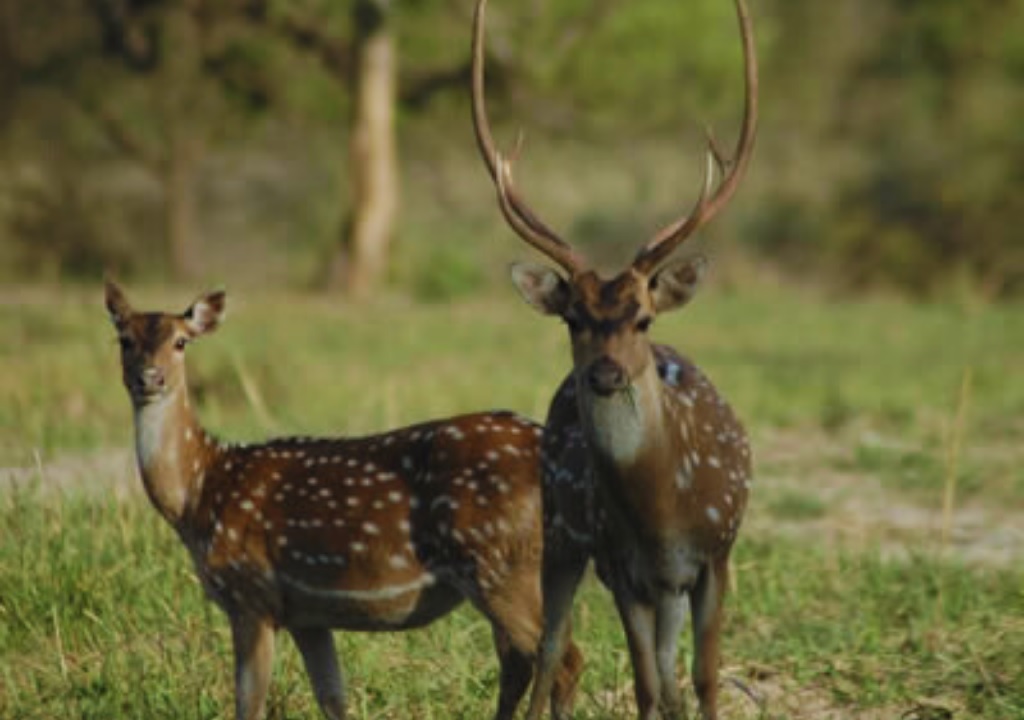
Deer are one of the most widely recognized mammals in the world, captivating our imagination with their grace and beauty. Found across various continents, these creatures hold significant ecological, cultural, and economic value. This article delves into the various aspects of deer, shedding light on their biology, behaviors, habitats, and their crucial role in the ecosystem.
A Glimpse into Deer Biology
Deer belong to the Cervidae family, which includes over 90 species. They are characterized by their long legs, large eyes, and, most notably, the antlers grown by males. Antlers are made of bone and are shed annually, a remarkable trait that distinguishes them from horns, which are permanent structures found in animals like goats and sheep. The antler growth cycle is influenced by hormones, nutrition, and environmental factors, making the study of their development an interesting subject in wildlife biology.
These mammals are typically equipped with an acute sense of hearing and excellent eyesight, especially in low-light conditions. Their eyes are positioned on the sides of their heads, providing a broad field of vision that aids in detecting potential threats. Deer are ruminants, possessing a four-chambered stomach that enables them to efficiently digest fibrous plant material. This digestive system allows them to thrive on a herbivorous diet, which consists of leaves, grass, fruits, and nuts.
Behavioral Traits and Social Structures
Deer exhibit diverse social behaviors, influenced by species and environmental conditions. While some species, like the white-tailed deer, are known for their social structure and often form small herds, others, such as the mule deer, may be more solitary. Social interactions among deer include various forms of communication, ranging from vocalizations to body language. During the breeding season, or rut, males display heightened aggression as they compete for mating rights. They engage in ritualized combat, clashing their antlers to establish dominance.
Deer are primarily crepuscular, meaning they are most active during the twilight hours of dawn and dusk. This activity pattern helps them avoid predators while foraging. They are known for their agility and speed, capable of running at impressive speeds and making sharp turns to evade threats. Their ability to remain quiet while moving through dense vegetation adds to their survival tactics.
Habitat and Global Distribution
Deer inhabit a wide range of ecosystems, from temperate forests to grasslands and even deserts. Each species has adapted to its specific environment. For example, the reindeer, or caribou, is well-suited for cold Arctic climates, sporting a thick coat and specialized hooves that help them navigate snowy terrains. In contrast, the axis deer thrives in warmer climates, known for its stunning spotted coat.
The distribution of deer is vast. In North America, species such as the white-tailed and mule deer are abundant, while Europe is home to the roe deer and the red deer. In Asia, the sika deer is notable, recognized for its striking coloration and adaptability to various habitats. This widespread distribution underscores the importance of understanding regional conservation needs, as habitat loss and fragmentation pose significant threats.
Ecological Importance
Deer play an essential role in their ecosystems. As herbivores, they help maintain plant communities by grazing on vegetation. This activity can prevent overgrowth of certain plant species, promoting biodiversity. Furthermore, their feeding habits create habitats for various other species by facilitating the growth of certain plants that rely on disturbed soil.
Additionally, deer are an important food source for predators such as wolves, mountain lions, and bears. This predator-prey dynamic is crucial for maintaining ecological balance. When deer populations are well-managed, they contribute to healthy ecosystems; however, unchecked populations can lead to overgrazing, which negatively impacts vegetation and other wildlife.
Cultural Significance
Throughout history, deer have held a prominent place in human culture. Many indigenous peoples regard deer as symbols of grace and gentleness, often incorporating them into their spiritual practices and folklore. The image of the deer has been used in art, literature, and mythology, often representing connection to nature and the wild.
Hunting has long been a tradition in many cultures, providing sustenance and materials for tools and clothing. Today, regulated hunting remains an important management tool for controlling deer populations and maintaining ecological balance. Additionally, deer attract wildlife enthusiasts and photographers, contributing to ecotourism and local economies.
Conservation Challenges
Despite their adaptability, deer face numerous challenges in the modern world. Urbanization, habitat destruction, and climate change significantly threaten their populations. Encroachment on their habitats often leads to human-wildlife conflicts, particularly as deer venture into suburban areas in search of food.
Diseases like Chronic Wasting Disease (CWD) have emerged as serious concerns, affecting deer health and populations. Effective management strategies are crucial for addressing these challenges. Conservation efforts, including habitat restoration and public education, play a vital role in ensuring the survival of deer species.
Appreciating Deer
Understanding the complexities of deer life enriches our appreciation for these magnificent creatures. Their adaptability, beauty, and significance in ecosystems and culture remind us of the interconnectedness of all living beings. As we continue to explore and protect their habitats, we contribute to a future where deer can thrive alongside us, maintaining the delicate balance of nature.
 Pet Lovers News