
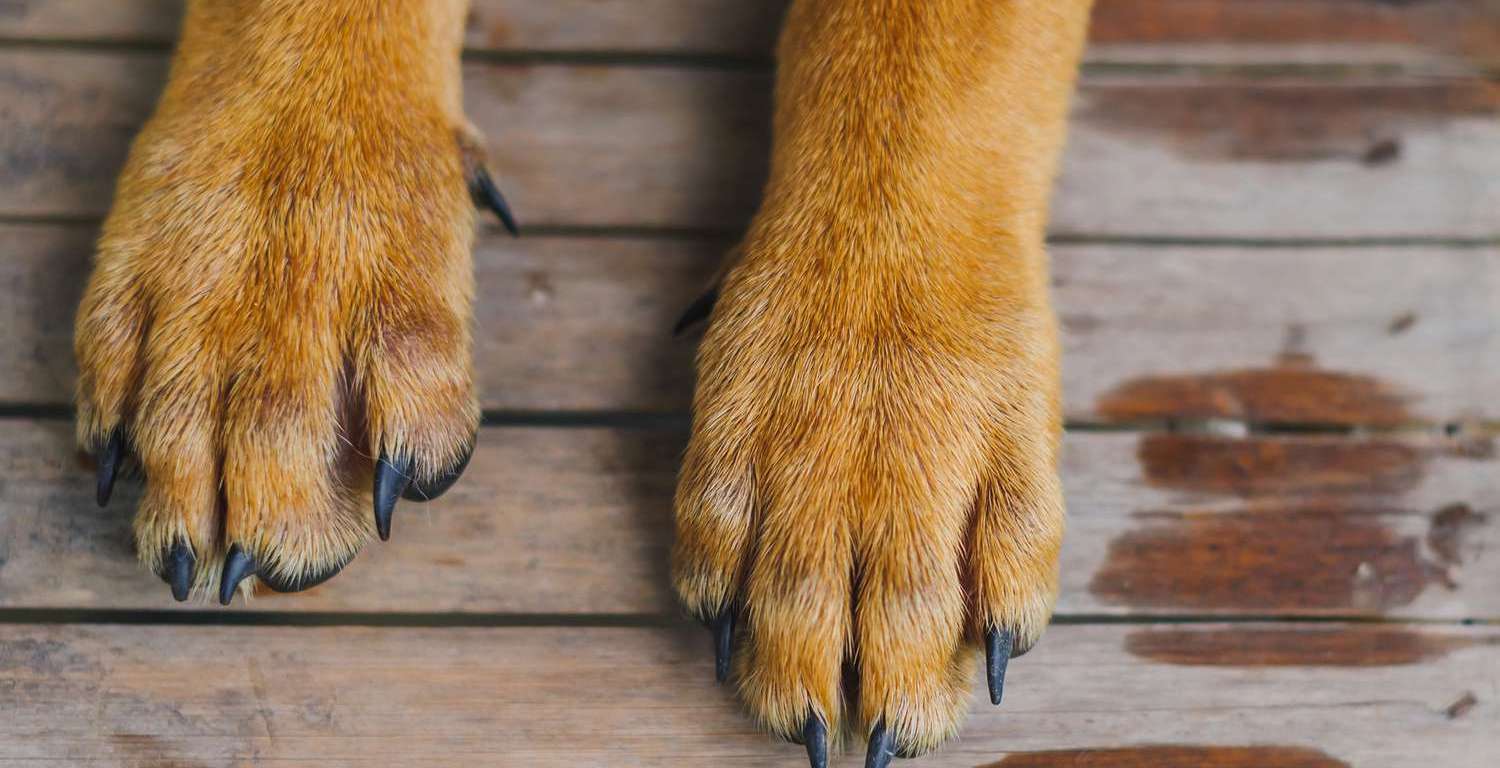
As a devoted dog owner, you may find yourself fascinated by every aspect of your furry friend’s anatomy. One area that often goes overlooked is their paws. While they may seem simple, a dog’s feet are intricate structures that play a crucial role in their health and overall well-being. This article explores the anatomy, functions, common issues, and care tips for your dog’s paws, ensuring you understand and appreciate this vital part of your canine companion.
Anatomy of a Dog’s Paw
A dog’s paw consists of several components: the pads, toes, nails, and ligaments.
- Pads: The pads are the thick, rubbery structures that provide cushioning and grip. There are five pads on each paw—four digital pads (one for each toe) and one large metacarpal pad (the main pad). These pads help absorb shock and protect the bones and joints during movement.
- Toes: Dogs typically have four toes on each foot, with some breeds also having a fifth toe, known as a dewclaw. The structure of a dog’s toes allows for flexibility and stability, enabling them to run, jump, and play with ease.
- Nails: A dog’s nails are made of keratin, similar to human nails, and they grow continuously. Regular trimming is necessary to prevent discomfort and health issues.
- Ligaments and Tendons: These connective tissues provide stability and allow for the wide range of motion that dogs need for various activities.
Functions of Dog Paws
Dog paws serve multiple essential functions that contribute to a dog’s overall mobility and lifestyle:
- Support and Stability: The design of the paw allows for balanced support while standing, walking, and running. Each component works in harmony to ensure that your dog can navigate various terrains, from soft grass to hard pavement.
- Thermoregulation: Dogs sweat through their paw pads, which helps in regulating their body temperature. This function is crucial during warm weather or after vigorous exercise.
- Sensory Perception: The pads contain numerous nerve endings, allowing dogs to sense their environment through touch. This sensitivity helps them navigate their surroundings and detect changes in terrain.
Common Paw Problems
Despite their durability, a dog’s paws can be susceptible to various issues:
- Cracked Pads: Weather conditions, such as extreme heat or cold, can cause the pads to crack. Dry, cracked pads can be painful and prone to infection.
- Infections: Bacterial or fungal infections can develop between the toes or on the pads, often resulting in swelling, redness, and discomfort.
- Foreign Objects: Dogs love to explore, which means they can easily pick up small stones, thorns, or other debris in their paws. These objects can become lodged, leading to pain and potential injury.
- Nail Problems: Overgrown nails can curl and cause pain, making it difficult for your dog to walk. Ingrown nails can lead to infections and severe discomfort.
Caring for Your Dog’s Paws
Maintaining the health of your dog’s paws is essential for their comfort and mobility. Here are some practical tips:
- Regular Inspections: Check your dog’s paws regularly for any signs of injury, foreign objects, or infections. Pay special attention to the spaces between the toes, as this area can often hide issues.
- Trimming Nails: Regular nail trimming is vital. If your dog’s nails click on the floor, it’s time for a trim. If you’re unsure how to trim them safely, consult a veterinarian or a professional groomer.
- Moisturizing Pads: If you notice your dog’s pads are dry or cracked, consider using a paw balm to help soothe and moisturize. Choose products specifically designed for pets, as human lotions may contain harmful ingredients.
- Protection: In extreme weather conditions, consider using booties to protect your dog’s paws from heat, cold, or sharp surfaces. This added layer of protection can prevent injuries and discomfort.
- Hydration and Nutrition: A balanced diet and proper hydration contribute to overall paw health. Omega fatty acids, in particular, are beneficial for skin and coat health.
Recognizing the Signs of Trouble
Awareness of your dog’s behavior can help identify paw issues early. Look for signs of discomfort, such as limping, excessive licking, or avoiding walks. If you notice any abnormalities, consult your veterinarian for guidance.
Understanding and caring for your dog’s paws is an integral part of responsible pet ownership. By recognizing the significance of this often-overlooked aspect of your dog’s anatomy, you can ensure they remain healthy, active, and happy. Regular care and attention can lead to a lifetime of adventures together, with your dog’s paws carrying them every step of the way.
 Pet Lovers News