
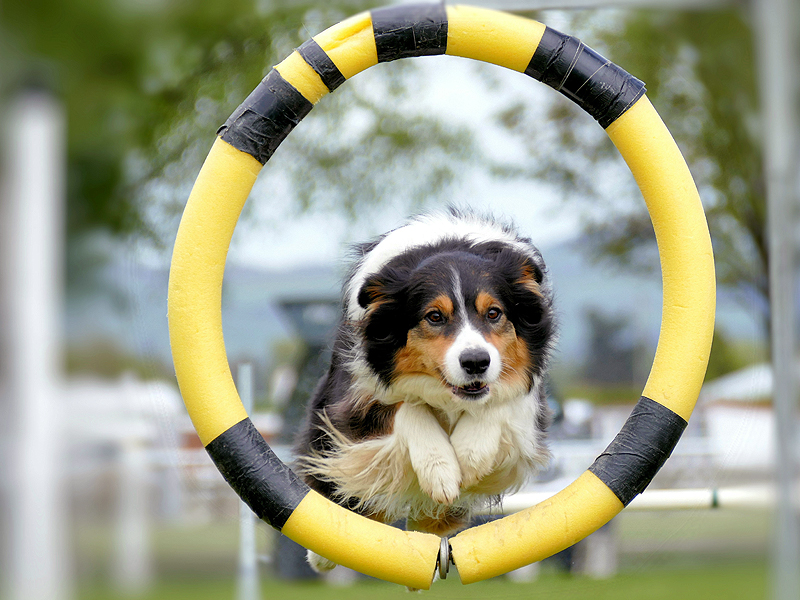
Dogs have long held a special place in the hearts of humans. These loyal companions offer not only unconditional love but also a myriad of benefits that enrich our lives. Whether you’re a seasoned dog owner or considering bringing a dog into your home for the first time, understanding the nuances of canine behavior, care, and training is essential. This guide will delve into the key aspects of dog ownership, from choosing the right breed to ensuring your dog’s health and happiness.
Choosing the Right Breed
Selecting a dog that suits your lifestyle is the first step toward a fulfilling companionship. Dogs come in various breeds, each with unique characteristics and energy levels. For instance, active individuals might thrive with breeds like Border Collies or Labrador Retrievers, known for their high energy and need for exercise. In contrast, those living in smaller spaces or leading a quieter lifestyle might consider breeds such as French Bulldogs or Cavalier King Charles Spaniels, which tend to require less physical activity.
When choosing a breed, consider factors such as size, grooming needs, and temperament. Research various breeds to determine which aligns with your lifestyle and preferences. Additionally, consider adopting from shelters or rescue organizations, as many wonderful dogs are in need of loving homes.
Essential Care for Your Dog
Nutrition
A well-balanced diet is crucial for your dog’s overall health. Consult your veterinarian to determine the best food based on your dog’s age, breed, and activity level. High-quality commercial dog foods are available, or you may consider a home-cooked diet if it meets nutritional standards. Always ensure fresh water is available to keep your dog hydrated.
Regular Exercise
Dogs require regular physical activity to maintain a healthy weight and prevent behavioral issues. The amount of exercise needed varies by breed; working breeds generally need more vigorous exercise, while smaller or older dogs may be content with shorter walks. Incorporate a mix of activities, such as walks, fetch, and playtime, to keep your dog mentally and physically stimulated.
Grooming
Grooming is an essential part of dog care. The frequency of grooming depends on your dog’s coat type. Breeds with long or thick fur may require regular brushing to prevent matting, while short-haired breeds may need less frequent grooming. Regular bathing is also important, but it’s essential not to overdo it, as excessive bathing can strip the coat of natural oils. Nail trimming and dental care should not be overlooked, as they contribute to your dog’s overall health.
Training and Socialization
Basic Training
Training is a vital aspect of dog ownership, fostering good behavior and strengthening the bond between you and your pet. Start with basic commands such as “sit,” “stay,” and “come.” Use positive reinforcement techniques, rewarding your dog with treats and praise when they respond correctly. Consistency is crucial, so ensure all family members use the same commands and training methods.
Socialization
Early socialization is essential for a well-adjusted dog. Introduce your dog to various environments, people, and other animals from a young age. Positive experiences during these encounters help prevent fear and aggression later in life. Puppy classes can be an excellent way to facilitate socialization while providing essential training.
Understanding Canine Behavior
Body Language
Understanding your dog’s body language is key to effective communication. Dogs communicate primarily through their posture, facial expressions, and movements. For instance, a wagging tail often indicates happiness, but if it’s held high and stiff, it could signify agitation or aggression. Paying attention to your dog’s cues allows you to respond appropriately and address their needs.
Common Behavioral Issues
Many dog owners encounter behavioral challenges, such as excessive barking, chewing, or separation anxiety. Address these issues early on with patience and appropriate training techniques. For example, if your dog barks excessively, determine the cause—boredom, anxiety, or a need for attention—and implement strategies to mitigate the behavior, such as increasing exercise or providing interactive toys.
Health and Wellness
Regular Veterinary Care
Routine veterinary visits are crucial for maintaining your dog’s health. Regular check-ups help detect potential health issues early, ensuring timely intervention. Vaccinations, flea and tick prevention, and dental care are vital components of your dog’s healthcare routine.
Mental Stimulation
In addition to physical exercise, mental stimulation is essential for a happy and healthy dog. Engage your dog with puzzle toys, obedience training, and interactive games. This mental engagement helps prevent boredom and reduces the likelihood of destructive behaviors.
Recognizing Health Issues
As a dog owner, it’s important to be vigilant about your dog’s health. Watch for signs of illness, such as changes in appetite, lethargy, or unusual behavior. Promptly consult your veterinarian if you notice any concerning symptoms, as early detection is key to successful treatment.
Building a Strong Bond
The relationship you build with your dog is a rewarding aspect of pet ownership. Spend quality time together, whether through play, training, or simply relaxing at home. Positive interactions strengthen your bond and foster trust, making your dog more responsive to training and commands.
Understanding dogs goes beyond mere ownership; it involves commitment and effort to ensure their well-being and happiness. By choosing the right breed, providing proper care, and engaging in consistent training and socialization, you’ll cultivate a fulfilling partnership with your furry friend. Embrace the joys and responsibilities of dog ownership, and you will undoubtedly find a loyal companion by your side.
 Pet Lovers News