
When it comes to maintaining a healthy aquarium, choosing the right fish food is as crucial as selecting the right tank setup. Fish food not only provides essential nutrients but also influences the overall health and longevity of your aquatic pets. This comprehensive guide explores the various types of fish food available, their nutritional components, and tips for feeding your fish effectively.
Types of Fish Food
Understanding the different types of fish food can help you select the best option for your aquatic pets. Here’s a detailed breakdown:
1. Flakes
Flake food is perhaps the most common type of fish food available. Designed to float on the water’s surface, these lightweight flakes are easy to feed and come in various formulations for different fish species.
- Nutritional Composition: Flakes typically contain a mix of proteins, carbohydrates, vitamins, and minerals. Look for high-quality flakes that list whole fish or fish meal as the primary ingredient.
- Best For: Community fish and species that feed at the water’s surface, such as guppies and tetras.
2. Pellets
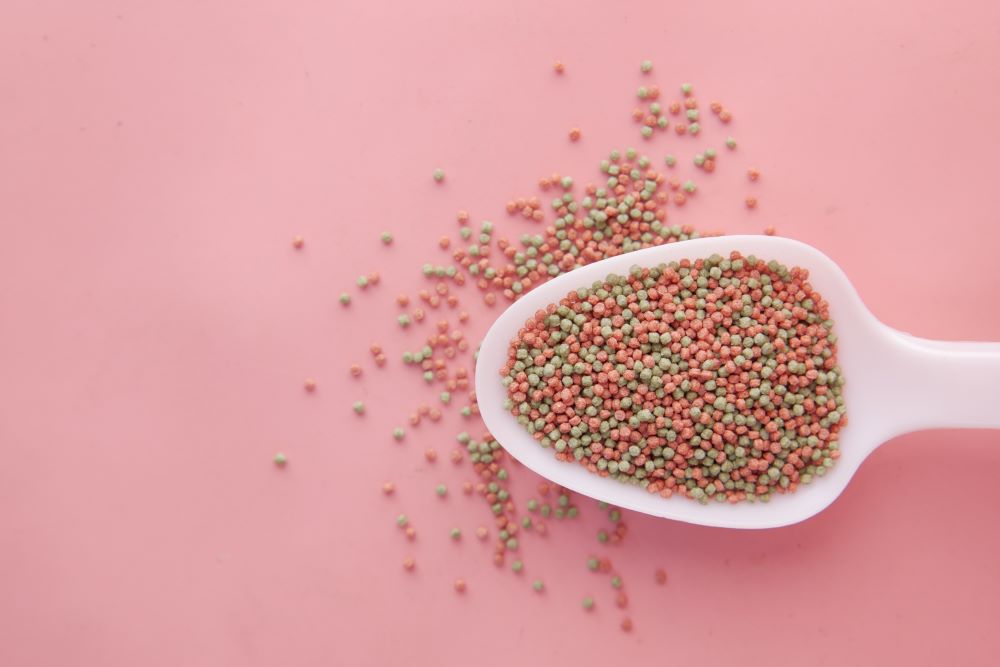
Pellets are another popular choice, available in various sizes and sinking options. They can provide a more balanced diet compared to flakes due to their compact nature.
- Nutritional Benefits: Pellets often have a higher protein content and can include specific formulations for herbivorous, carnivorous, or omnivorous fish.
- Best For: Larger fish or those that prefer feeding in the mid-water or at the bottom of the tank, such as cichlids and catfish.
3. Frozen and Freeze-Dried Foods
Frozen and freeze-dried foods are excellent options for enhancing your fish’s diet. They typically include live foods like brine shrimp, bloodworms, and daphnia.
- Nutritional Value: These foods are rich in protein and mimic a natural diet, making them highly appealing to many fish.
- Best For: Predatory fish and species that thrive on a varied diet, as well as those in need of additional protein.
4. Live Foods
For fish enthusiasts looking to replicate a natural feeding environment, live foods can be the way to go. Options include brine shrimp, fruit flies, and various aquatic insects.
- Benefits: Live foods provide essential nutrients and stimulate natural hunting behaviors in fish.
- Considerations: They require more care and maintenance to ensure they are free from diseases and contaminants.
5. Specialty Foods
Specialty foods cater to specific dietary needs or preferences. For instance, algae wafers are designed for herbivorous fish and bottom feeders, while gel food can be customized for various species.
- Unique Features: These foods can address particular health concerns, like boosting immune systems or enhancing color.
Nutritional Components
Choosing the right type of fish food is only part of the equation. Understanding the nutritional components can help you make more informed choices.
1. Protein
Protein is essential for growth, tissue repair, and overall health. Fish are generally divided into three dietary categories: carnivores, herbivores, and omnivores.
- Carnivores: Require high-protein diets, often from fish-based sources.
- Herbivores: Thrive on plant-based proteins, making algae and vegetable matter vital.
- Omnivores: Benefit from a mix of both, allowing for a more diverse diet.
2. Fats
Fats are a concentrated energy source and essential for the absorption of fat-soluble vitamins. However, moderation is key, as excessive fat can lead to obesity and other health issues.
3. Carbohydrates
While fish do not have a strict requirement for carbohydrates, they can provide energy and bulk. Ingredients like wheat, corn, and grains can be beneficial when included in appropriate amounts.
4. Vitamins and Minerals
Just like humans, fish require a variety of vitamins and minerals to maintain health. These include Vitamin A for vision, Vitamin D for bone health, and various minerals for immune function. Look for fortified foods that include these essential nutrients.
Feeding Guidelines
Proper feeding practices can significantly impact the health of your fish. Here are some tips to ensure your fish are well-nourished:
1. Feed Small Amounts
Overfeeding is a common mistake that can lead to poor water quality and health issues. A good rule of thumb is to feed only what your fish can consume in a few minutes, two to three times a day.
2. Monitor Water Quality
Always keep an eye on water quality, especially after feeding. Uneaten food can pollute the tank and harm your fish. Regular maintenance, including water changes, is vital.
3. Vary the Diet
A varied diet can prevent nutritional deficiencies and keep your fish engaged. Consider rotating different types of food to ensure a balanced intake of nutrients.
4. Observe Behavior
Pay attention to how your fish react to different foods. If they show disinterest or refuse to eat, it might be time to try a different type of food.
Final Considerations
Selecting the right fish food is a fundamental aspect of responsible fishkeeping. By understanding the types of food available, their nutritional value, and best feeding practices, you can create a thriving aquatic environment. Prioritize high-quality ingredients and tailor the diet to your fish’s specific needs, ensuring a healthy and vibrant aquarium for years to come. With the right approach, you can nurture your aquatic companions and enjoy the rewarding experience of fishkeeping.
 Pet Lovers News