
When it comes to our beloved pets, we often prioritize their nutrition, exercise, and grooming, yet dental care frequently takes a back seat. However, maintaining your pet’s dental health is crucial for their overall well-being. Just like humans, pets can suffer from a variety of dental issues, and neglecting their oral hygiene can lead to serious health problems. Understanding the significance of dental care for pets can help pet owners ensure their furry friends live healthier, happier lives.
Understanding Pet Dental Health
Dental health in pets is not just about having a pretty smile; it involves the entire oral cavity, including gums, teeth, and supporting structures. Pets can develop a range of dental issues, from plaque buildup and gingivitis to periodontal disease, which can be painful and lead to more serious health complications.
Plaque and Tartar Formation: Plaque is a sticky film of bacteria that forms on teeth. If not removed, it hardens into tartar, which can lead to inflammation of the gums (gingivitis) and more severe periodontal disease. Regular dental care can prevent these issues from escalating.
Periodontal Disease: This is one of the most common dental problems in pets, affecting nearly 80% of dogs and 70% of cats by the age of three. It occurs when bacteria invade the gums, leading to infection, pain, and tooth loss. Beyond the mouth, bacteria can enter the bloodstream, affecting vital organs like the heart, liver, and kidneys.
Benefits of Regular Dental Care
Prevention of Disease: Regular dental care significantly reduces the risk of periodontal disease and other oral health issues. Preventative measures, such as regular cleanings and at-home dental care, can keep your pet’s mouth healthy and free of pain.
Enhanced Quality of Life: Pets suffering from dental issues may exhibit behavioral changes, such as irritability or reluctance to eat. By maintaining their dental health, you improve their quality of life, allowing them to enjoy their meals and playtime without discomfort.
Cost Savings: Addressing dental problems early through preventative care is often more cost-effective than treating advanced dental diseases. Regular check-ups can catch issues before they become severe, saving you from expensive procedures down the line.
Implementing a Dental Care Routine
Professional Dental Cleanings: Just as humans benefit from dental check-ups, pets need regular professional cleanings. A veterinarian can assess your pet’s dental health and perform necessary cleanings under anesthesia, ensuring a thorough job. This is typically recommended once a year, depending on your pet’s specific needs.
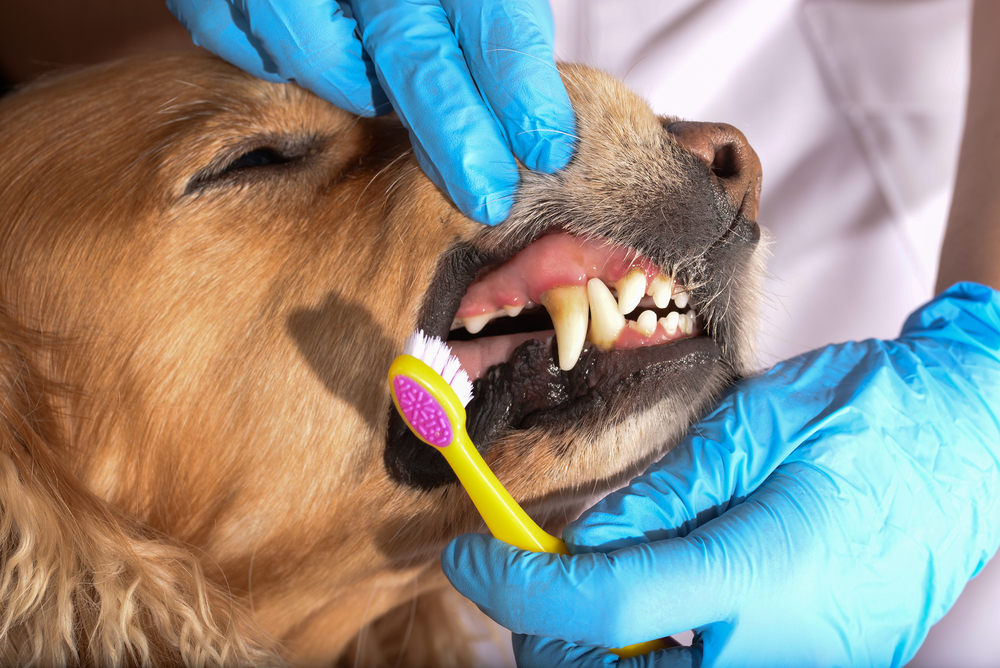
At-Home Care: Incorporating dental care into your pet’s daily routine can greatly enhance their oral hygiene. Brushing your pet’s teeth several times a week is one of the most effective ways to prevent plaque buildup. Use pet-specific toothpaste and brushes designed for their unique dental structure.
Dental Chews and Toys: Many products on the market are designed to help clean your pet’s teeth while they chew. Dental chews can help reduce plaque and tartar, while chew toys can stimulate gums and promote overall oral health. Always choose products appropriate for your pet’s size and chewing habits.
Dietary Considerations: The type of food your pet eats can also impact their dental health. Some dry kibble is formulated to help reduce plaque buildup. Consult your veterinarian about the best diet options that promote oral health.
Signs of Dental Problems
As a pet owner, it’s essential to recognize the signs of potential dental issues. Look for the following indicators:
- Bad Breath: While pets naturally have a distinct odor, extremely foul breath can be a sign of dental disease.
- Difficulty Eating: If your pet is hesitant to eat or chews on one side of their mouth, they may be experiencing pain.
- Swollen Gums: Healthy gums should be pink and firm. Red, swollen, or bleeding gums are signs of infection.
- Loose Teeth: If you notice any loose or missing teeth, it’s time for a veterinary visit.
Conclusion
Prioritizing dental care for your pets is not merely an aesthetic choice; it’s a vital component of their overall health. By understanding the importance of dental hygiene, implementing regular care routines, and recognizing the signs of dental issues, pet owners can play a significant role in ensuring their furry companions lead long, healthy lives. Taking proactive steps in dental care today can make all the difference for your pet’s tomorrow.
 Pet Lovers News